Key takeaways
- Day trips run from $171 — see what the Delta costs vs. lodge-based safari.
- The flood arrives June–August — the wettest months are the driest season and peak wildlife viewing.
- No swimming in the channels — hippos and crocodiles live there; the mokoro and game drive keep you safe.
- Maun is the gateway — fly via Johannesburg (2 hours) or Gaborone; day tours pick up from Maun hotels.
- Book 1–3 days ahead — check dates and book live; most tours open that window.
Same Delta, two price tags
What a Okavango Delta day tour includes
The full experience from hotel to hotel—what’s in the price and what’s not.
What you see
- Mokoro: silent canoe through eastern Delta waterways (trees, channels, water level)
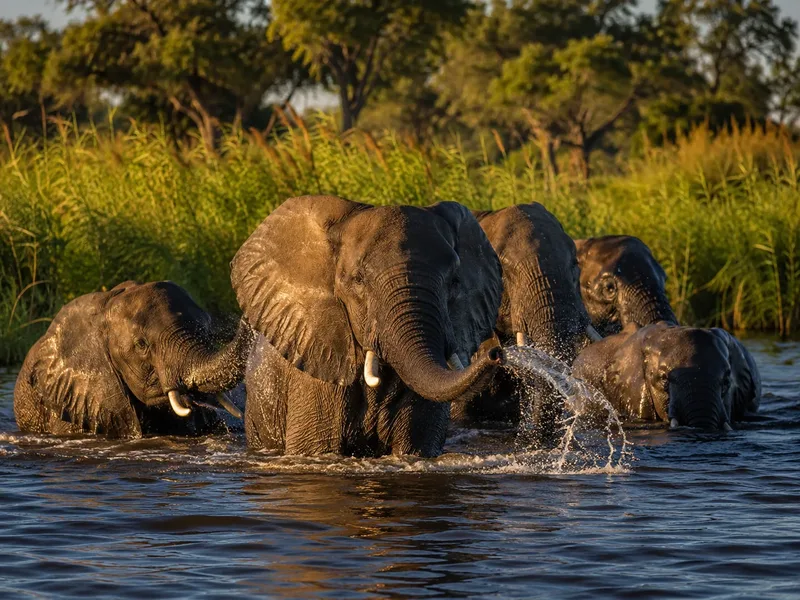
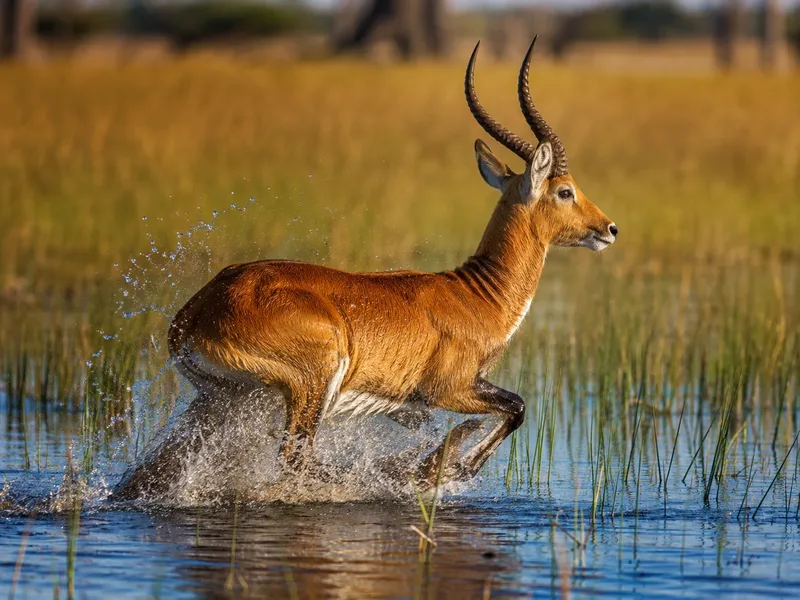
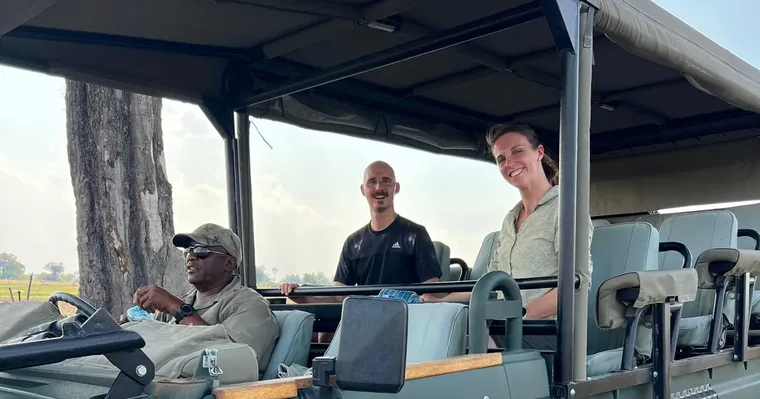
- Moremi game drive: 4x4 through reserve (elephant, lion, leopard, buffalo, lechwe, hippo, crocodile)
- Island bush walk: guided 1–2 hour walk spotting birds and animal sign
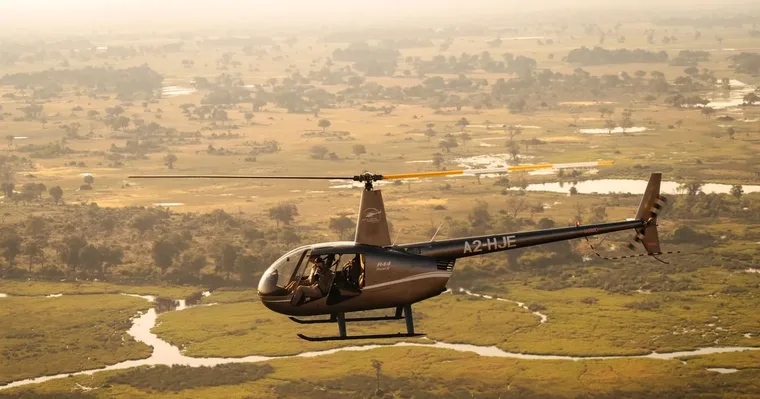
- Scenic flight: doors-off helicopter or fixed-wing over the fan-shaped Delta
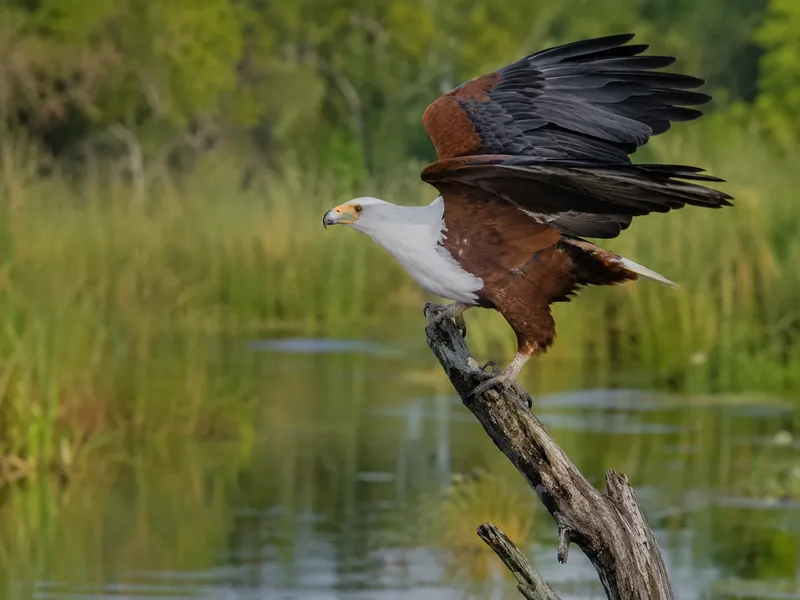
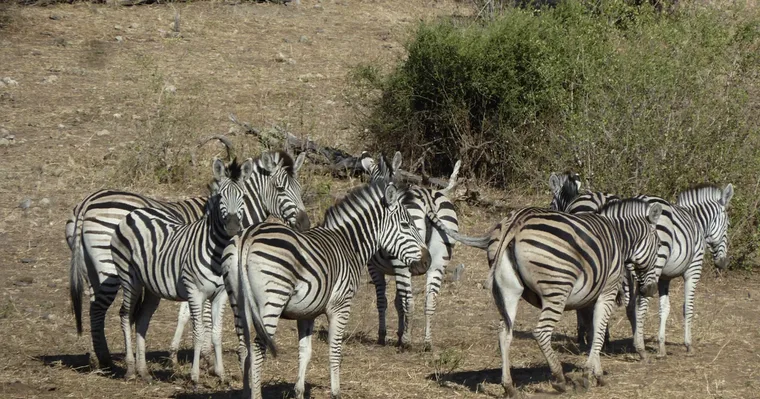
- Wildlife: zebras, giraffes, birds, fish eagles, over 400 bird species recorded
What’s included
- Hotel pickup and drop-off in Maun (on most tours)
- Professional guide or poler with live commentary
- Lunch (mokoro tours): wrap, salad, muffin on an island
- Free cancellation up to 24 hours before
- Instant confirmation email with all times and meeting point
The flagship mokoro day, stop by stop
From Maun hotel to island and back — the full-day mokoro route in order.
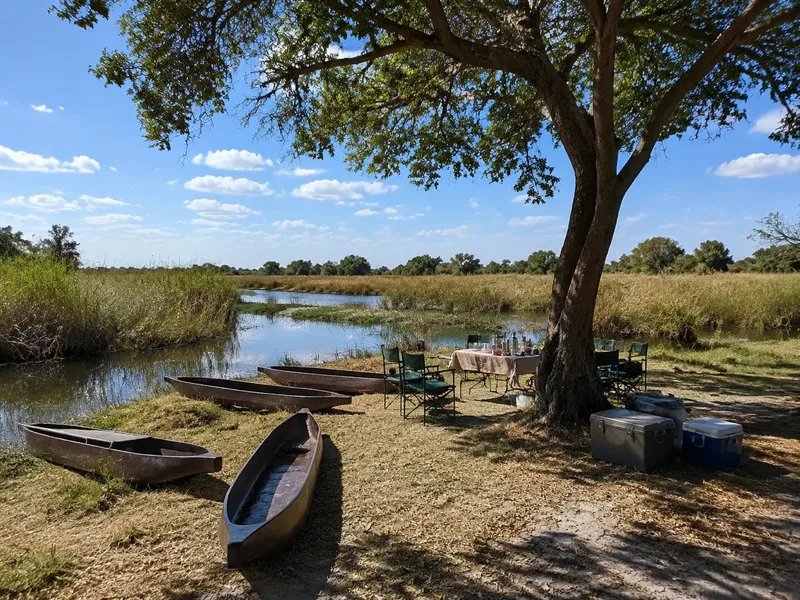
A typical full-day mokoro tour departs early from central Maun accommodation. You transfer to the eastern poling station, board your one-tree canoe, then pole through the channels and waterways for hours at water level before landing on an island for a guided bush walk and lunch.
- Maun hotel pickup — Early departure (6–7 a.m.); confirmation has the exact time and meeting point.
- Drive to poling station — 15–20 minute transfer east of Maun; your guide briefs the group.
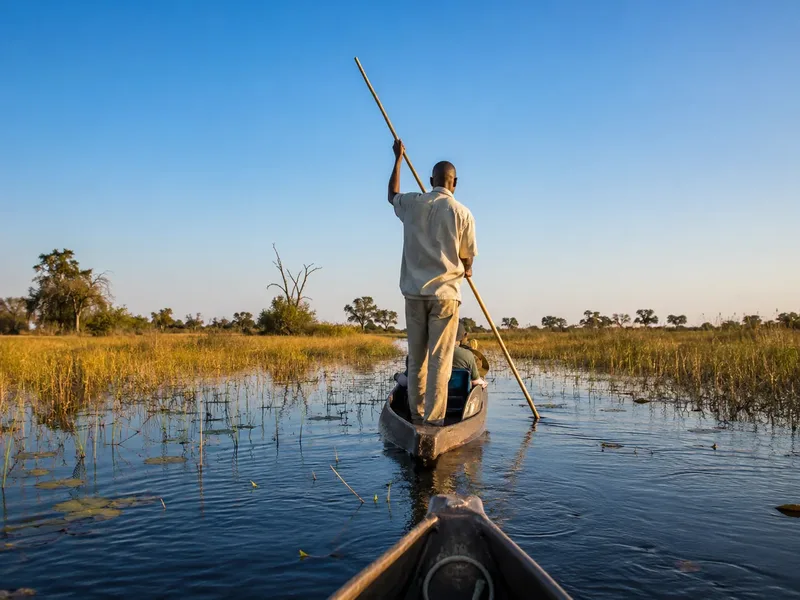
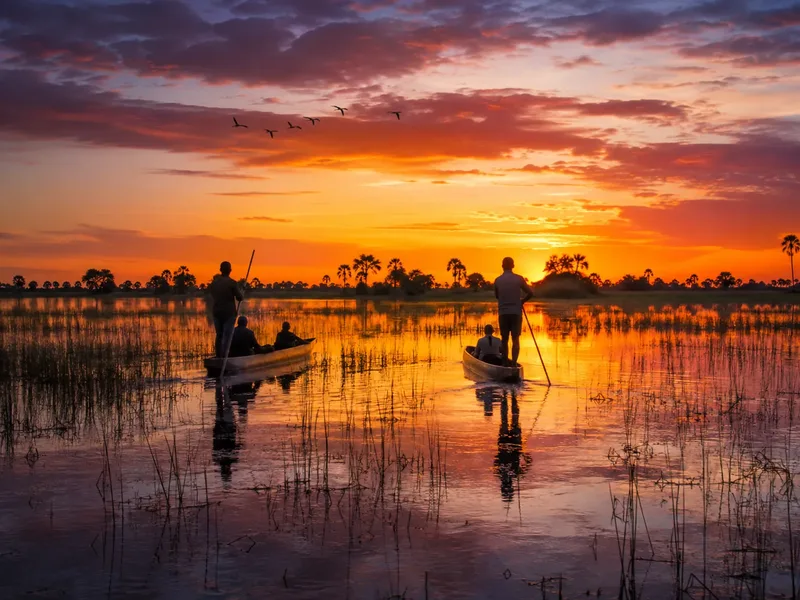
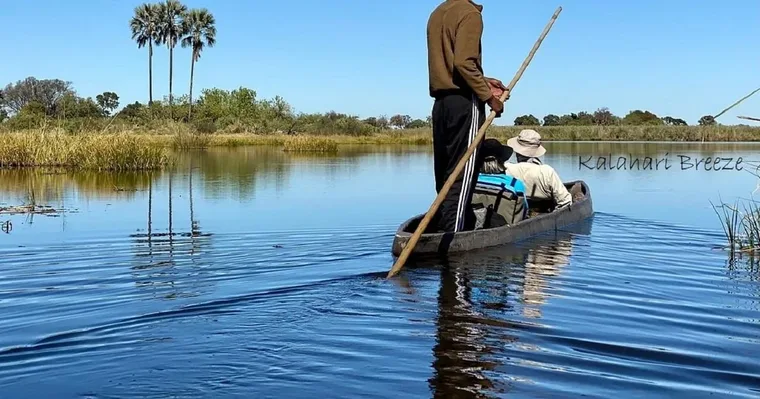
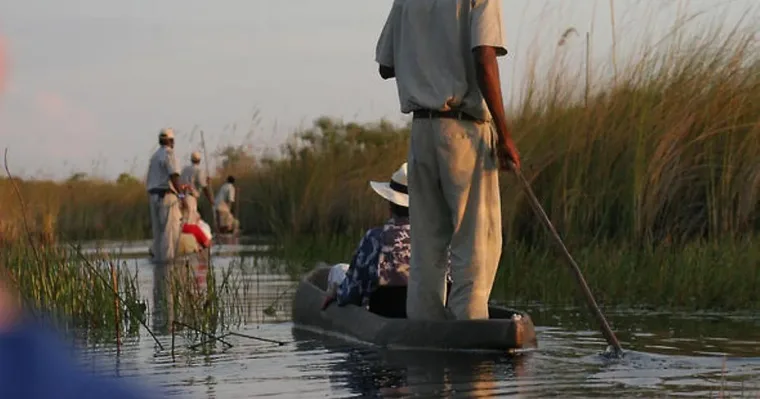
- Into the channels — The poler propels the mokoro standing from the stern, silent and flat-drafted; you sit at water level watching fish, birds, hippos.
- Bush walk on island — 1–2 hour guided walk spotting animal tracks, trees, and birds; no walking experience needed.
- Island lunch — Wrap, salad, muffin, drinks on the island; time to rest and observe wildlife.
- Pole back through waterways — Return journey through the channels at water level; afternoon light, more animals active.
- Return to Maun — Drop-off at your hotel in Maun by late afternoon; day is typically 8–9 hours door-to-door.
The entire experience is built around water-level silence and local knowledge. Compare the two mokoro operators and see how mokoro stacks up against game drive and flight.
How booking works
Choose your day shape
Mokoro canoe (water level), 4x4 game drive (wheels), scenic flight (air), or multi-day overland.
Check real availability
Live dates and prices on GetYourGuide with instant confirmation.
Book with free cancellation
Cancel for free up to 24 hours before; most tours open 1–3 days ahead.
Arrive early
Your confirmation email has pickup time, location, and phone number—hotels know your schedule.
The full-day mokoro canoe tour—the most-booked option
All-inclusive experience: hotel pickup, water-level canoe journey, island bush walk, lunch, and return. The traditional Delta experience.
Three ways to see the Okavango Delta, compared
Mokoro canoe vs. game drive vs. scenic flight—the choice depends on your style.
| Most popularOkavango Delta: Full-Day Mokoro/Canoe Tour All-Inclusive | Okavango: Moremi Game Reserve Guided Safari Adventure | Maun: Okavango Delta Scenic Flight with Hotel Pickup | |
|---|---|---|---|
| Price | $171 | $315 | $335 |
| Duration | ~8–9 h | ~11 h | ~1.5 h flight |
| Perspective | Water level | 4x4 wheels | 1,500 ft air |
| Group size | Small (4) | Large (20+) | Small (3–5) |
| Best for | Water & silence | Wildlife | Photos & time |
| Rating | 4.7 | 4.7 | New option |
| Book this → | View → | View → |
Photo Gallery
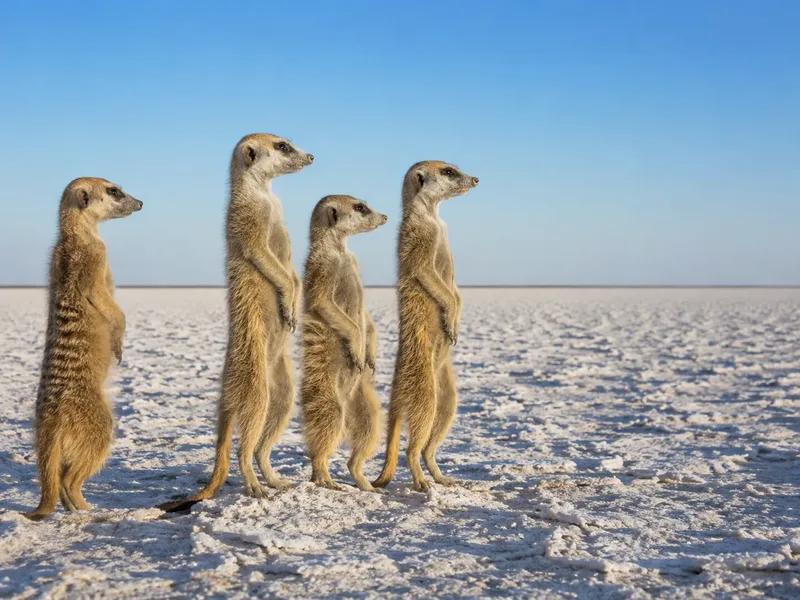
Okavango Delta day tours — through the lens
The water, the wildlife, the channels and the moments you book for.
Popular Okavango Delta tours
From water-level mokoro to game-drive and scenic flight—the tours worth booking.
 Most bookedLunch & transfers included
Okavango Delta: Full-Day Mokoro/Canoe Tour All-Inclusive
 Small operator
Full Day Okavango Mokoro Tour
 Game drive
Okavango: Moremi Game Reserve Guided Safari Adventure
 Doors-off flight
Maun: 45 Minute Doors-Off Scenic Flight
 Scenic flight
Maun: Okavango Delta Scenic Flight with Hotel Pickup
 Salt pans
Makgadikgadi National Park Day Trip
 Private helicopter
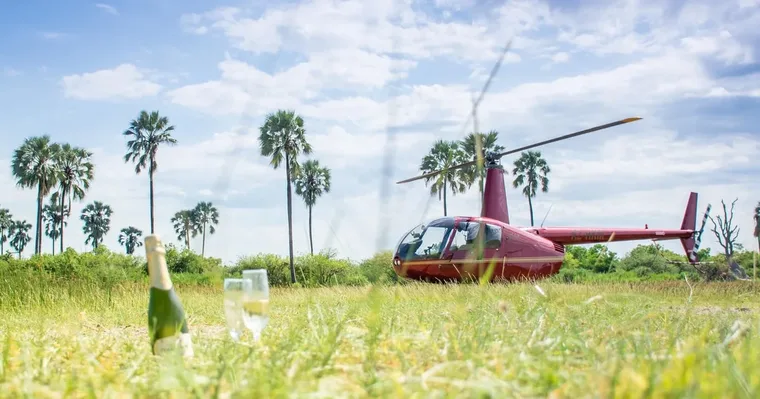
Maun: Okavango Delta Private Helicopter Flight with Transfer
 6-day expedition
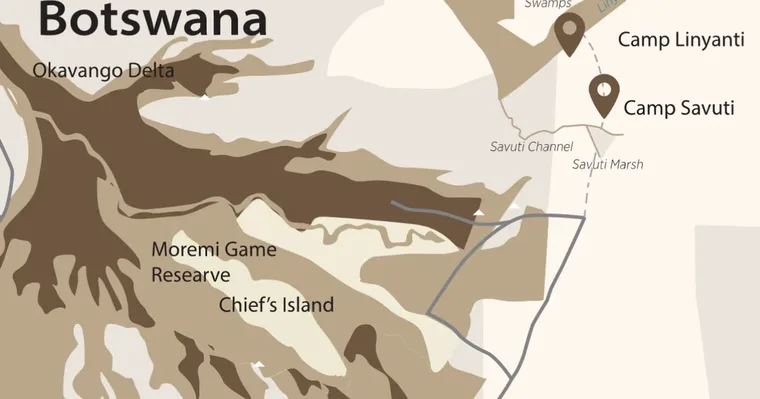
Maun: 6-Day Okavango, Savuti, Chobe & Victoria Falls Tour
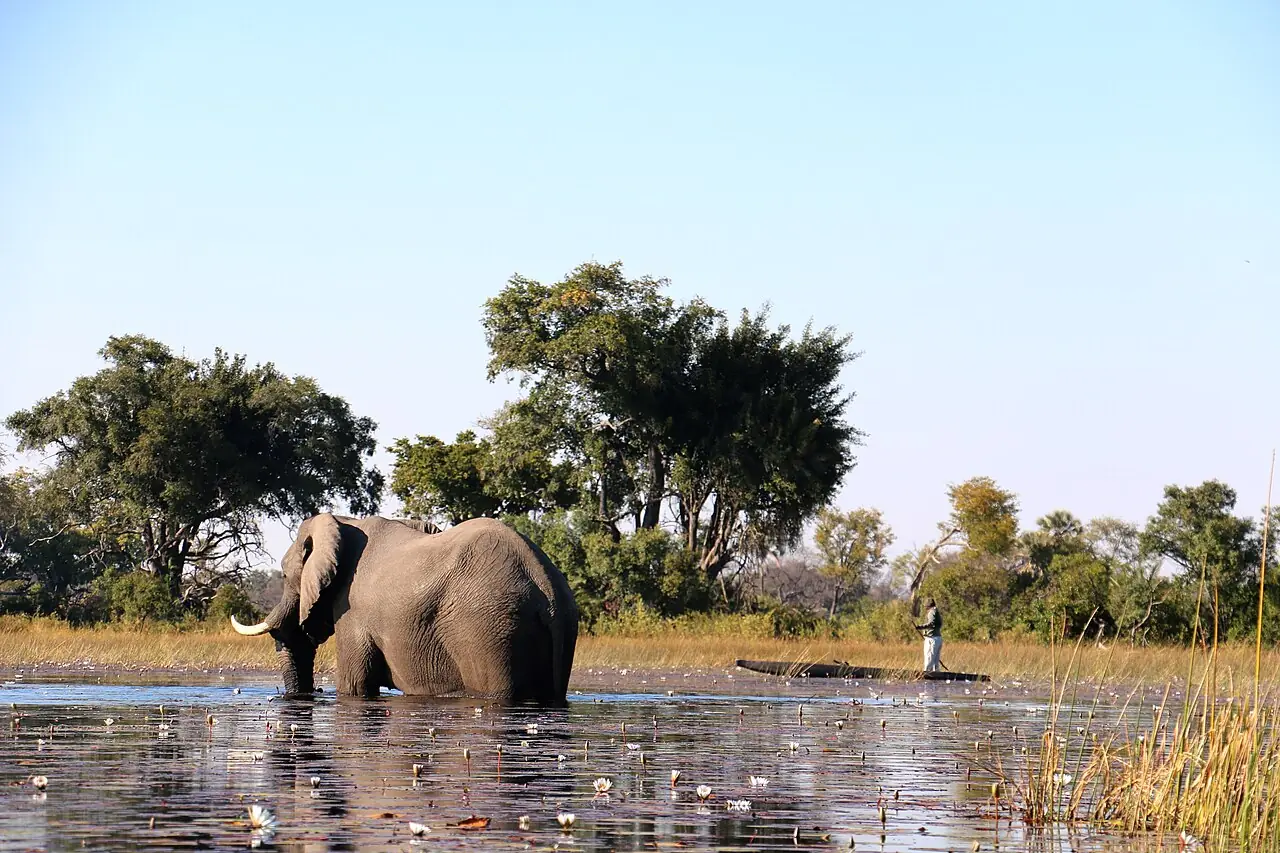
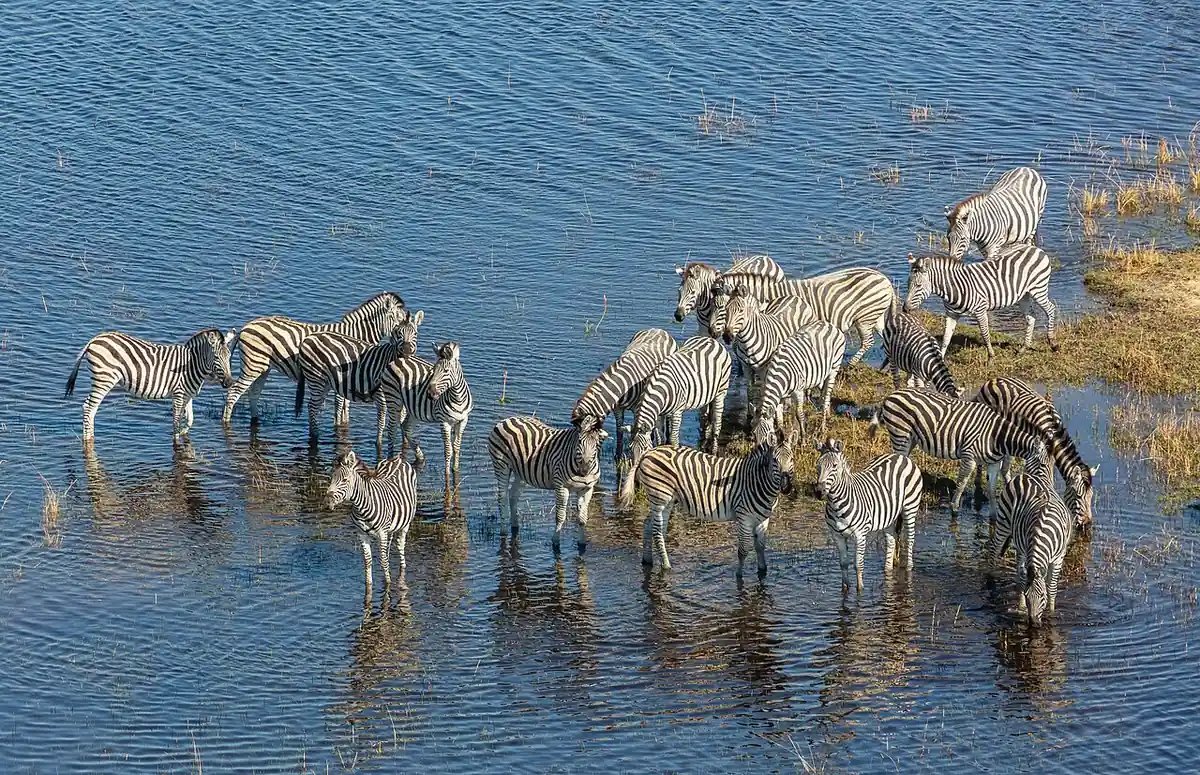
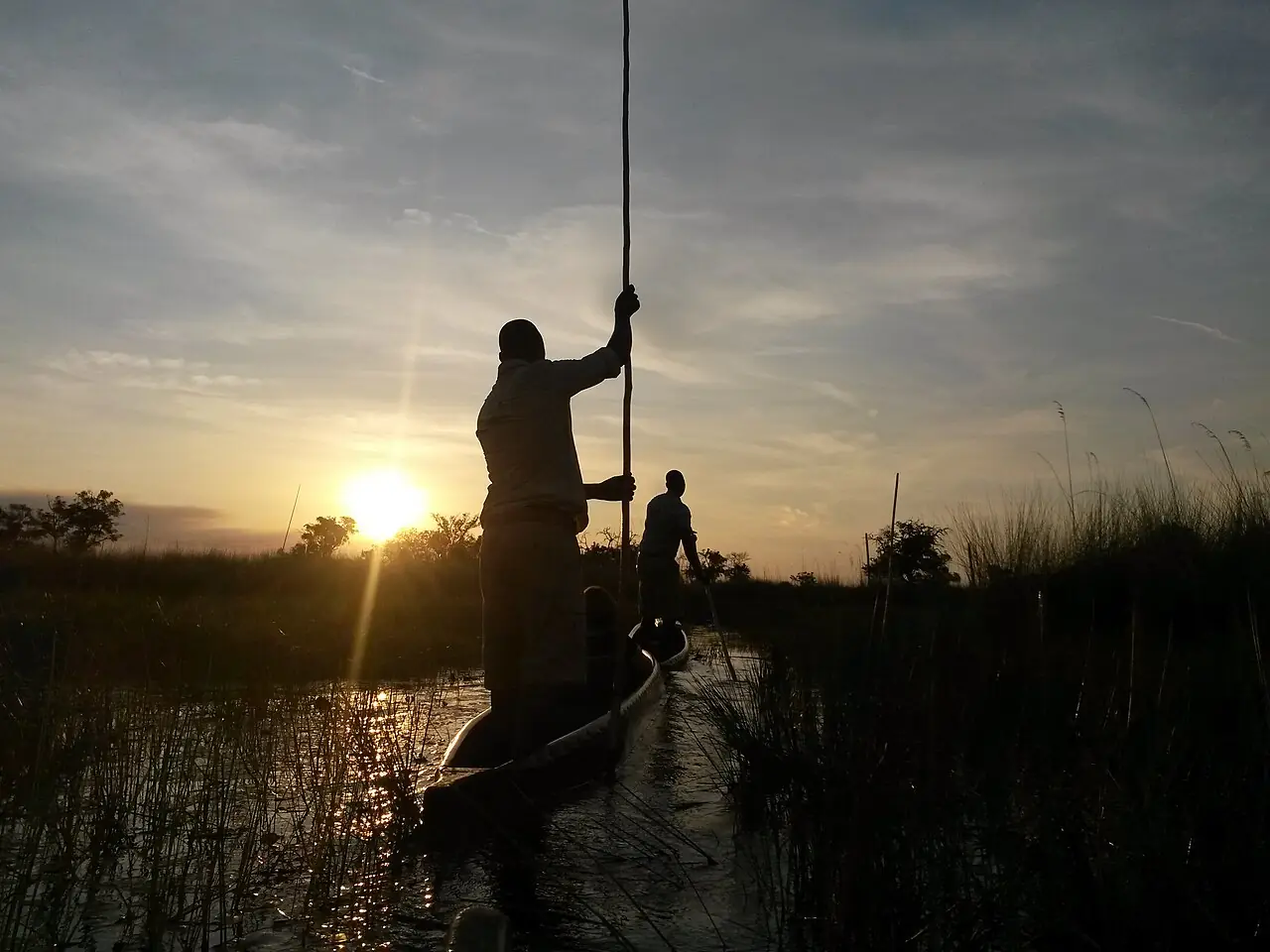
Real photos from the Delta — taken where these tours go
You could take shots like these yourself: the same channels, floodplains and sunsets every tour on this page visits, photographed by the photographers credited below. Click any photo to see it full-size.
What guests say about Okavango Delta tours
Real reviews from travellers who booked and went.
A must do activity when visiting Maun. Hotel pickup was timeous and the experience unforgettable.
Brilliant day—the delta was so beautiful and the birds amazing. Seeing it by mokoro boat with locals was very special.
We were so lucky to have seen zebras, hippos, crocodiles, even giraffes. The guide explained everything about the Delta.
Fantastic tour. Only top top memories from this trip.
The guides are local and explained a lot about the Delta. The walking safari was really interesting.
Guide MD spotted animals large and small and knew the channels inside out.
Ratings and reviews are the operators’ live GetYourGuide figures. Read our full tour reviews ›
Quick answers before you book
A few things worth knowing so you spend your time enjoying the tour, not the logistics.
What is so special about the Okavango Delta?
The flood arrives June–August, when Botswana itself is bone dry. Rain that fell in the Angolan highlands in January travels ~1,200 km down the river and peaks in the Delta, concentrating wildlife on the water. That paradox is why it’s UNESCO-listed.
How long do you need?
One full day is enough for a mokoro trip or game drive; 2–3 days lets you try multiple tour types. The 6-day overland covers the Delta, Savuti, Chobe and Victoria Falls.
What is the closest city?
Maun is the gateway, with Maun International Airport (MUB). There are no direct US flights; connect through Johannesburg (2-hour hop) or Gaborone. Day tours pick up from Maun hotels.
Is it expensive?
Day tours run $171–$521, not the $2,000-a-night lodge price that gives the Delta its reputation. You see the same water, channels, and elephants as lodge guests, but from Maun as a base.
Can you self-drive?
Partly—Moremi’s public gates are reachable by 4x4, but the inner Delta has no roads at all. It is water and air only. That’s why the guided tours exist.
Is it safe to swim?
Never swim in Delta channels. Nile crocodiles and hippos live there, and hippos kill more people in Africa than any other large mammal. Guides brief you; listen to them.
Chobe or Okavango?
Chobe is riverfront elephant herds in huge numbers and easy road access. Okavango is water-level mokoro silence, richer variety, and harder to reach. The 6-day tour covers both.
Best month?
June–August is peak flood and best game viewing; November–March is green season, cheapest, and peak birding (and highest malaria risk). October is the hottest month; avoid it.
Can’t make these dates?
Browse more available Okavango Delta safari tours and find one that fits your schedule — all with instant confirmation and free cancellation.
The Okavango Delta, explained
The Okavango Delta is the world’s largest inland delta, roughly 15,000 km² at normal flood and swelling to 22,000 km² when the flood peaks. The Okavango River never reaches the sea: it fans out into the Kalahari sands and evaporates. The paradox is that the Delta is fullest in June–August, the middle of Botswana’s dry season. Rain that fell in the Angolan highlands in January takes about two months to travel ~1,200 km down the river, creating a flood pulse that concentrates wildlife on the water while the land around it is parched. That’s why it’s UNESCO-listed, and why day tours from Maun exist.
What a full-day mokoro trip actually feels like
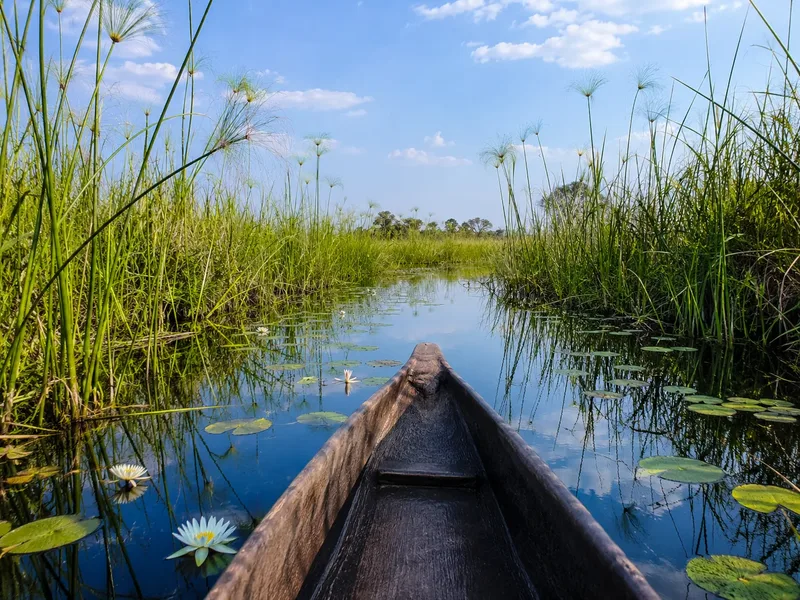
A mokoro is the traditional one-tree canoe of the Delta—originally carved from a single ebony or sausage tree, though most today are fibreglass replicas to spare the old trees. The poler stands in the stern and propels it silently forward with a pole, a punting motion. You sit at water level, legs outstretched, moving through channels so narrow and shallow that no motorboat can follow. A full-day trip starts with hotel pickup in Maun, a transfer east to the poling station, then hours on the water. The experience is unhurried and quiet. You see fish eagles, papyrus, water lilies, and hippos at close range. The poler reads the water the way a mountain guide reads rock—steering around deeper channels where crocodiles hide, pointing out animals you’d miss alone. Island lunch breaks it up. Most tours include a guided bush walk on an island too, spotting tracks and trees. By late afternoon you’re back in Maun.
The flood paradox and when to go
June–August is peak flood and peak game viewing—the window most visitors miss. Rain falls in the Angolan highlands in January; the water table rises slowly and takes months to reach the Delta, so the floodwaters arrive in Botswana’s dry season when everything else is parched. Animals concentrate on the water. The Delta overflows its banks. Channels fill and deepen. The mokoro poles through full water, not shallow sand. November–March is green season: hot, afternoon storms, lush grass, and the cheapest prices. It’s the best season for birding too, and the zebra migration peaks on the Makgadikgadi pans nearby. October is the hottest month—regularly 35–40°C—and visitation drops. April is a quiet shoulder month.
The honest cost picture: day trips vs. lodges
The Delta’s reputation for luxury comes from lodge prices—$2,000 a night or more for all-inclusive fly-in camps. What most people don’t know is that from Maun you can book a day trip: a full-day mokoro for $171, a Moremi game drive for $315, a 45-minute scenic flight for $335. You see the same water, the same channels, the same elephants. You just base yourself in Maun—a normal town with an international airport—instead of flying into a private camp. The day-trip model works because Botswana deliberately limits tourism volume. Fewer vehicles per sighting than the Serengeti or Kruger, which is why prices run higher per day. But a week of day trips from Maun costs less than two nights at a lodge. That’s the angle.
Choosing your tour: water, wheels, or air
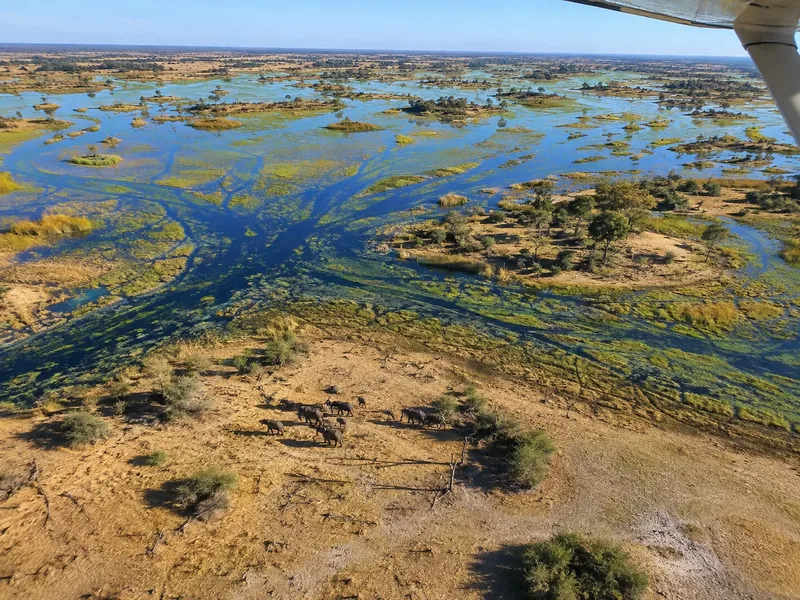
The first choice is perspective. A mokoro trip is water-level silence. You sit at eye level with the channels, surrounded by papyrus, poling through landscape that no motorboat reaches. It’s intimate and slow. A Moremi game drive is 4x4 wheels through the reserve on the eastern Delta, covering more ground faster and spotting larger wildlife herds. Lion, leopard, buffalo, elephant. The group is larger, the pace quicker. A scenic flight is 1,500 feet up—a 45-minute doors-off helicopter or fixed-wing plane over the fan shape. You see the channels branching like veins, the elephant herds, the water from above. Weather-dependent; may be rescheduled or refunded. Most visitors do a mokoro trip. Some add a game drive or flight on a second day if they have time. The six-day overland tour covers the Delta, then Savuti and Chobe, then ends at Victoria Falls, combining multiple regions at camping pace.
The health stuff, plainly
The Delta is a malaria area; risk is highest November–June. Talk to a travel clinic about prophylaxis at least six weeks before you go. This site gives no medical advice beyond that—prophylaxis is a conversation with your doctor. No yellow-fever vaccine is required for Botswana unless you’re arriving from a yellow-fever country. Tap water is safe in Maun. Never swim in the channels. Nile crocodiles and hippos live there. Hippos kill more people in Africa than any other large mammal. Guides brief you on the rules; listen to them. Botswana is consistently ranked among Africa’s most politically stable, low-crime safari destinations. The Delta itself has no predator attacks on tourists. Wear neutral colours (khaki, olive, stone); avoid black and blue, which attract tsetse flies, and white, which shows dust and stands out to animals. Pack a soft bag, hat, SPF, and binoculars.
Getting there and around
Maun International Airport (MUB) is the gateway. There are no direct US flights. Connect through Johannesburg (about 2 hours to Maun on Airlink or another regional carrier), or via Gaborone. UK and EU visitors often route via Cape Town or Johannesburg. Once in Maun, day tours pick up from hotels. Transfers to the poling station take 15–20 minutes. A 4x4 and driver-guide are included on game-drive and overland tours. Scenic flights depart from Maun Airport itself. You can self-drive to Moremi’s public gates with a proper 4x4, but the inner Delta has no roads—only water and air. That’s why most people book a guide.
Money and paperwork
Currency is the Botswana pula (BWP). US dollars are widely accepted at lodges and by tour operators, especially for day tours; bring newer, undamaged notes. Change comes in pula. Tipping guideline: about $10 per guest per day for a guide, about $5 for a poler or tracker. Hand it over on the last day. US, UK, EU, Canadian and Australian passport holders do not need a visa for Botswana for stays up to 90 days.
One day is enough
One full day is enough for a mokoro trip or game drive—you see the Delta, understand the water, spot major wildlife, and return to Maun by evening. Two or three days lets you try multiple tour types (mokoro, then game drive, or a flight). The six-day overland is for visitors with more time, combining the Delta, Savuti, Chobe National Park, and Victoria Falls. For most people booking a single trip, pick your day shape, book it, and enjoy the silence or the game-drive pace. All eight tours ranked and compared.
Frequently asked questions
What is the best Okavango Delta tour?
For most travellers the full-day mokoro canoe tour is the flagship—water-level silence, a guided island bush walk, and lunch, from $171. It’s the most-reviewed and highly rated option. On a budget, the alternative mokoro operator runs a similar trip on different dates. Want bigger wildlife sightings? The Moremi 4x4 game drive covers the reserve.
How much does an Okavango Delta tour cost?
Day tours run $171 for a mokoro trip to $315 for a game drive and $335 for a scenic flight. The full breakdown shows what you get at every price point. The 6-day overland (Okavango, Savuti, Chobe, Victoria Falls) is $3,000, about $500 a day camping.
How long is an Okavango Delta tour?
Mokoro and game-drive tours run 8–11 hours door-to-door from Maun; scenic flights are about 1.5 hours in the air. One day is enough for the experience; 2–3 days lets you try multiple tour types.
When is the best time to visit?
June–August is the peak flood and best game viewing—the paradox being that Botswana itself is bone dry. November–March is green season, cheapest, and peak birding. October is the hottest month and should be avoided.
Is there malaria?
The Delta is a malaria area; risk is highest November–June. See a travel clinic about prophylaxis before you go. No yellow-fever certificate is needed unless you’re arriving from a yellow-fever country.
Can you self-drive?
You can reach Moremi’s public gates with a proper 4x4, sand and water-crossing experience, and park fees—but the inner Delta has no roads at all. It is water and air only, which is why guided tours exist.
Still have questions? Email us hello@okavangodeltasafaritours.com